
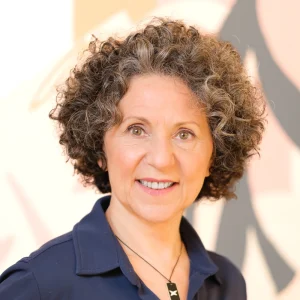
 At ADONET’s annual Rencontres, held in Paris on 23 and 24 November, GroupExpression met Karin Mallet-Gautier, President of the association of foreign tourism boards in France, to talk about the place and role of tourism boards for ever more connected travellers.
GroupExpression: With social media, content creators and AI recommendations, sources of travel inspiration keep multiplying. What does a tourism board offer that travellers cannot find elsewhere?
Karin Mallet-Gautier: Algorithms and content creators are very good at capturing attention, but they have a built-in bias: they amplify what is already viral, standardise itineraries and sometimes produce recommendations that are out of date or ignore the practicalities of travel.
A tourism board offers what no generative AI tool and no social network can guarantee: institutional reliability, nuance and a commitment to the public interest.
In practice, our added value rests on three pillars:
- Verifying and updating information: we are the primary source. Opening hours, new regulations, entry conditions, new air routes or cultural venues: we give travellers a plan they can rely on.
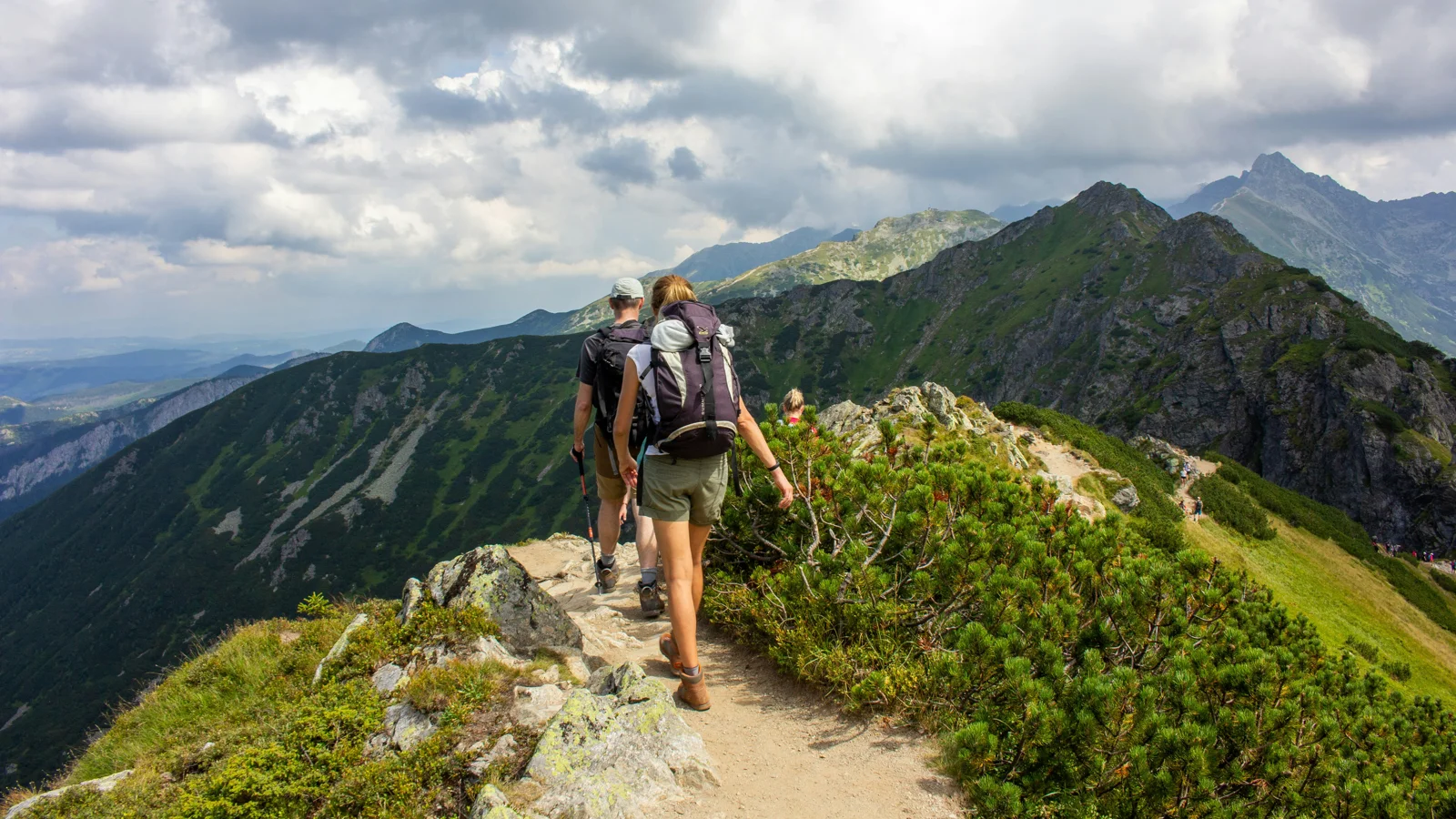
- Curating and regulating: where social media funnels visitors to the same three “Instagrammable” spots, a tourism board points them towards unspoilt alternatives and quieter periods, manages visitor capacity and protects the balance between visitors and residents.
- Credibility with both the trade and consumers: as a country’s representatives in the French market, we translate its character for a French-speaking audience and build direct links with the tour operators and travel agencies who turn inspiration into secure, tailor-made trips.
GE: Does promoting a destination also mean encouraging people to discover its other sides, other regions or other seasons? Can you give an example of an approach that works with French travellers?
KMG: That is now at the heart of our mission. The French market is mature: travellers are no longer content to tick off the must-sees; they want to understand a place in depth and avoid the summer crowds. Our role is to use the reputation of a well-known gateway as a lever to spread visitors across the whole country, in all four seasons. Take a European capital that is very popular with the French, particularly for city breaks. One strategy would be to use that capital as the starting point for a wide range of regional and off-season experiences in the same country. You can:
- Shift the seasons through targeted customer segments, sport or culture: rather than concentrating promotion on summer or a country’s high season, tourism boards highlight the shoulder seasons, with food, culture and sport as reasons to travel, and target travellers without children or seniors, for example.
- Widen the map and lengthen the stay: combine a city visit with trips less than two hours away, for example, and encourage longer stays, even in a nearby destination.
French travellers are particularly receptive to this approach when they are offered seamless combinations that are easy to reach from their home city: itineraries that bring together heritage, food and wellbeing, for instance, or sport and nature, without forgetting local communities.
GE: In discussions among ADONET members, which change in French travellers’ expectations is doing most to make you rethink the way you communicate?
KMG: ADONET brings together more than fifty tourism boards representing very different destinations, and there is one point everyone agrees on: French travellers have moved from more or less “consuming” a destination to looking for meaning and experiences, while keeping control of their budget.
Three major shifts now guide our members’ communication strategies:
- A demand for authenticity and concrete proof: generic promotional messages no longer work. Whether the subject is sustainable tourism, low-impact travel or meeting local people, French travellers want facts: precise advice and recommendations based on first-hand experience.
- A need for a human voice: as AI-generated content becomes ever more uniform, our members are putting real effort back into on-the-ground work and first-person storytelling, through targeted press trips, partnerships with creators who have high editorial standards, and initiatives for tour operators and travel retailers, so that they know the destination first-hand and can advise their clients better. Our two annual events, the Rencontres Médias and the Rencontres Trade, are also two key moments for our members to showcase their development and promotion strategies.
- Value for money as budgets come under scrutiny: in a cautious economic climate, the French have not given up travelling, but they are making choices. We now have to communicate not only the “dream” but the true value of the experience: the quality of the welcome, accessibility, and that unique feeling of having had a trip that really reflects who they are.
Tourism boards have a huge role to play in the tourism ecosystem. They must remain the central point of information and the starting point for the trade’s development of a destination. Within ADONET, our members play that central role to the full, facilitating business and providing solutions for everyone they work with: institutions, the travel trade, the media, influencers and more.